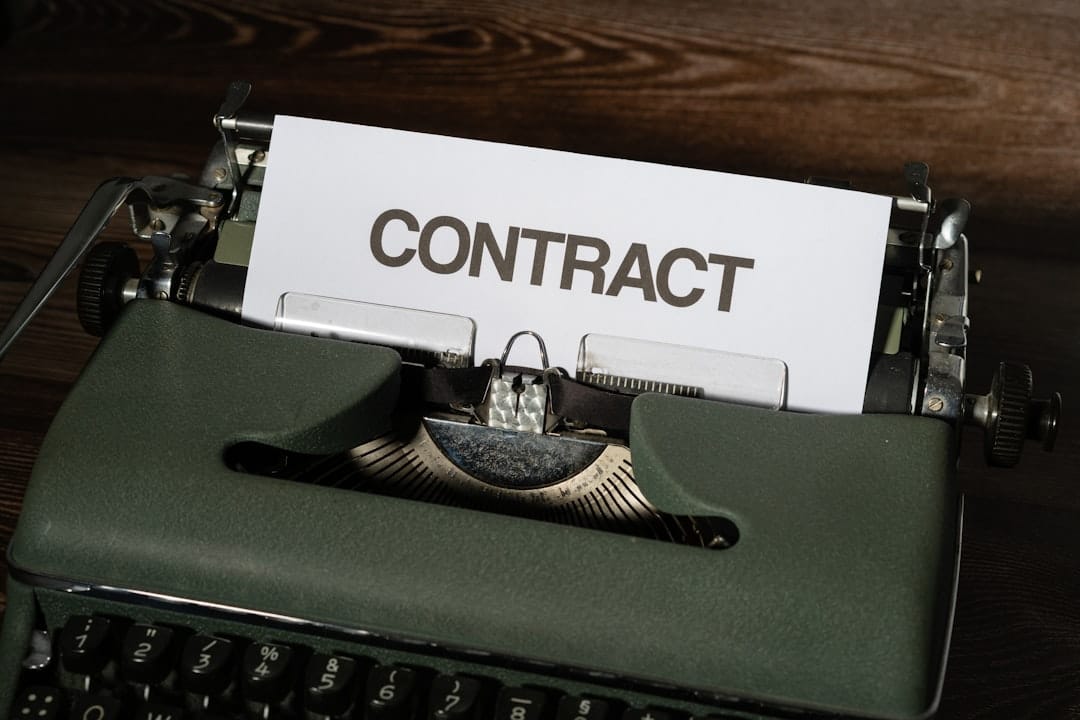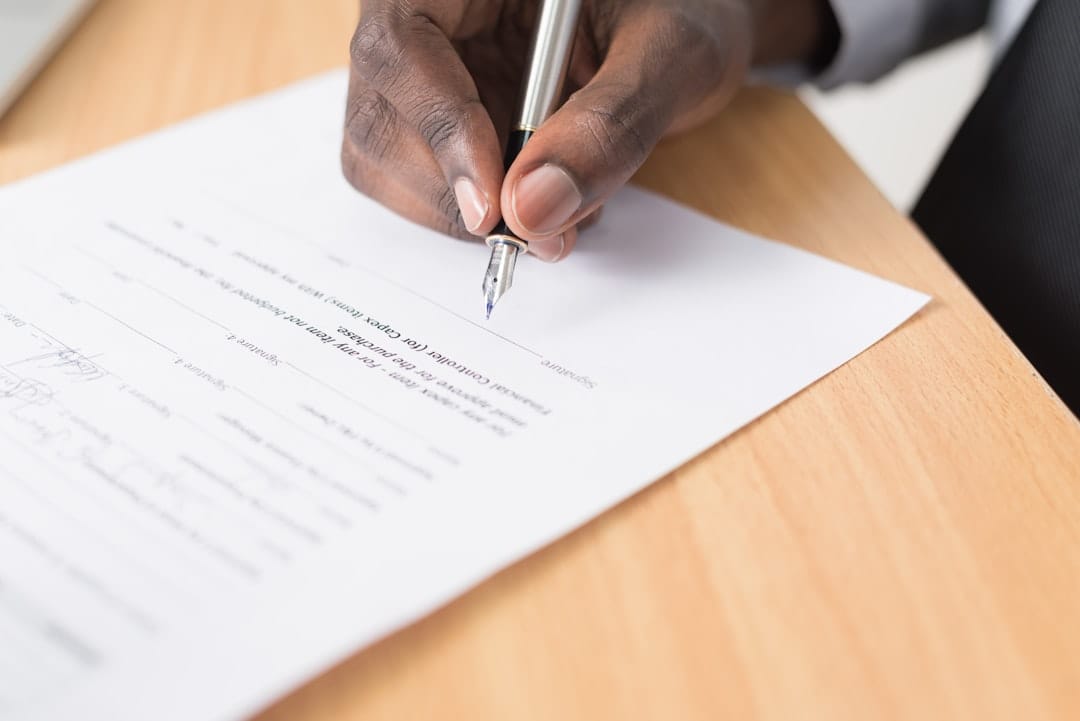
Do freelancers need a contract? Yes, and most already know it. The project feels small, the client seems trustworthy, and getting paperwork signed feels like it slows down a deal that’s already moving. So you skip it, and things go fine, right up until they don’t.
What a Handshake Agreement Actually Gives You
A verbal agreement is a legally valid contract in most jurisdictions. This surprises people, but it’s true, courts in common law countries have upheld verbal agreements for centuries. The problem isn’t validity. The problem is proof.
When a scope dispute comes up three months into a project, both of you will have a clear, sincere, irreconcilable memory of what was agreed. Yours will be different from theirs. Without a document, it’s whoever tells the better story, and clients tend to tell theirs with more confidence when money is leaving their account.
Email chains help. A series of messages where scope, price, and timeline were discussed creates what courts call a “course of dealing”, a documented record of what was agreed even without a formal contract. If you’re skipping contracts, at minimum you should be sending a clear summary email after every verbal discussion: “Just confirming our conversation, I’ll be delivering X for $Y, due by Z.” That email is a contract. Most clients will never reply to disagree with it.
The Real Consequences of No Contract
The most common dispute is scope, not payment. A client asks for “a few tweaks” to something you’ve delivered. You think the project was complete. They think it wasn’t. Without a contract, there is no revision limit to point to, no definition of “complete” to reference, and no agreed process for what happens when the two of you disagree. You can say no, but on what basis?
Payment disputes are the second category. Without agreed payment terms in writing, “net 30” or “50% upfront” is a verbal promise. When a client slow-pays or stops responding, you have limited use. You can’t point to a signed document. You can’t cite a late payment clause. You’re chasing money based on a conversation. How freelance deposit and upfront payment structures work explains why getting something in writing before work starts is the most effective protection.
IP ownership is the sleeper issue most freelancers discover too late. In many jurisdictions, copyright in creative work stays with the creator unless it’s explicitly assigned in writing. This means a client who paid you for a logo technically doesn’t own that logo outright if you never signed an agreement assigning the copyright. This sounds like it protects you; and sometimes it does. But more often, it creates a dispute neither party anticipated, about something nobody wanted to fight about.
The emotional cost is real and rarely discussed. Disputes without contracts don’t just take time and money. They take up mental space, they damage client relationships, and they end with one party feeling cheated regardless of how it resolves. A contract doesn’t prevent conflict, it gives conflict a faster, cleaner resolution.
At What Project Size Does a Contract Become Non-Negotiable?
The honest answer: if losing the payment would genuinely hurt you, get it in writing. That’s the threshold. Not a dollar amount, not a page count, the point where you’d be angry, stressed, or financially affected if the deal went sideways.
That said, small claims limits offer a useful frame. Most jurisdictions allow small claims up to $5,000–$10,000 (US varies by state, the UK sets it at £10,000, Australian states vary). Below those limits, you have a relatively accessible path to recover a debt, but only if you have evidence of what was agreed. A written contract is that evidence. Without it, you’re showing up to small claims with a story.
For projects under $500, a detailed email confirmation is almost always sufficient. For anything between $500 and $2,000, a short written agreement, even a single page covering scope, payment, and revisions, is worth the 20 minutes it takes to draft. Above $2,000, a proper contract is not optional. The math is simple: small claims filing costs $30–$100, but pursuing it takes one to three days of your working time. If the fee you’re chasing is $800 and collection costs you two days of billable work, you’ve lost money even if you win.
The repeat-client exception feels safer than it is. A client you’ve worked with for two years feels like a known quantity. But your history together is not a contract. If they cancel a large project mid-way through, “we’ve always worked together” doesn’t give you a kill fee. If they decide the final work isn’t what they wanted, your two-year relationship doesn’t define what “done” means. The longer and more valuable a client relationship is, the more a contract protects it, by keeping disputes from poisoning what works.
The Minimum You Need
You do not need a 10-page legal document. For most freelance projects, a one-page agreement covering five things is enough: what you’re delivering, what you’re not delivering, how much it costs, when payment is due, and who owns the work when it’s done. That’s it. That covers 90% of the disputes that arise.
A simple email confirmation, if the client acknowledges it, covers the basics. A short agreement sent via a signing tool covers them better. A proper freelance contract with the clauses that protect you covers them fully, including scenarios you haven’t thought of yet. The freelance contract basics guide walks through each section if you’re building one from scratch.
The contract isn’t bureaucracy. It’s the moment where both of you get honest about what’s actually being agreed to, before the project starts, before the money changes hands, before anyone has a reason to misremember.
If you’re reading this mid-project with no contract in place: send a scope summary email today. Detail what you’ve agreed to deliver, the payment terms, and the timeline. Ask the client to confirm. It won’t be as solid as a signed agreement, but it’s substantially better than nothing, and courts will treat it as evidence of the deal you made.