
Finding good ones, recognizing bad ones early, difficult conversations, and the relationship that makes or breaks everything.
Most project problems aren't communication failures, they're assumption failures. Here's what to address, how to raise it, and what to get in writing.
Read this story


A past client who's gone quiet is not a lost client. Here's when to reach out, what to say, and how to make it feel natural rather than desperate.
Read → What a non-circumvention clause actually protects, and what it doesn't. The freelance scenarios where it matters, with sample language to start from.
Read → When a client's deadline is unrealistic, here's how to push back, what to offer instead, and when a rush premium makes more sense than a negotiation.
Read → Why some clients feel the need to control every detail, and how to reclaim your working autonomy without turning it into a confrontation.
 Read →
 Running several clients simultaneously is where most freelance practices either sharpen or unravel. Here's what breaks and how to stop it.
 Read →
 The clients who stay for years aren't just happy with your work. Something else creates loyalty, and it's not what most freelancers are focused on.
 Read →
 LinkedIn can generate steady inbound for freelancers, but most of what people do on it doesn't work. Here's what does, and what to stop wasting time on.
 Read →
 How to say no to a project, a scope addition, a rate cut, or an impossible deadline, with language for each situation.
 Read →
 Most bad client experiences were predictable. Here's the qualification process, the questions to ask, what the answers reveal, and how to make the decision.
 Read →
 Most freelance pitches get deleted in five seconds. Here's what kills them, and what a pitch that gets a real response actually looks like.
 Read →
 Good work gets you the first project. The experience gets you the second. Here's what drives repeat clients, and how to stay top of mind between projects.
 Read →
 Not all difficult clients are the same problem. Here's what drives each type and what actually works, before you reach the point of no return.
 Read →
 The first client doesn't come from cold email. Here's where it actually comes from, and how to position yourself before you have a portfolio to show.
 Read →
 No portfolio doesn't mean no credibility. Here's how to pitch freelance work when you're starting out and have nothing formal to show.
 Read →
 When ending a client relationship is the right call, and how to do it cleanly, professionally, and without leaving money on the table.
 Read →
 Finding a client is a task. Finding them consistently is a system. Here's how to build the pipeline that survives your busy months.
 Read →
 When you don't want the work, how to say no clearly without making it awkward, and what to say if you'd like to work with them another time.
 Read →
 High-paying clients don't browse the same platforms as everyone else. Here's where to find them, what they respond to, and how to position for that market.
 Read →
 Agencies are a different kind of client. Here's how the relationship works, how to get on a roster, and what you give up and gain compared to direct clients.
 Read →
 Here's a freelance pitch email template, and more importantly, what every element is doing and how to customize it so it doesn't sound like a template.
 Read →
 The practical steps for onboarding a new freelance client: welcome email, contract, deposit, kickoff. What order, and why the order matters.
 Read →
 How to read between the lines in job ads, the phrases that signal low pay, scope creep, or a client who will make your life difficult.
 Read →
 The questions that separate good clients from difficult ones, and what to listen for beyond the answers.
 Read →
 Referrals are the most effective source of freelance clients. Here's how to make yourself easy to refer, when to ask, and what to say when you do.
 Read →
 Regular project updates prevent the anxious check-in email. Here's how to structure them, how often to send them, and a template you can use immediately.
 Read →
 A dissatisfied client is not automatically a bad outcome. How you respond in the next 24 hours determines whether this ends well or badly.
 Read →
 A client using your work without paying is theft, even if they don't see it that way. Here's what your options are when a freelance client steals your work.
 Read →
 The warning signs were usually there from the start. Here's how to read them by project phase, and what each one predicts before it becomes a problem.
 Read →
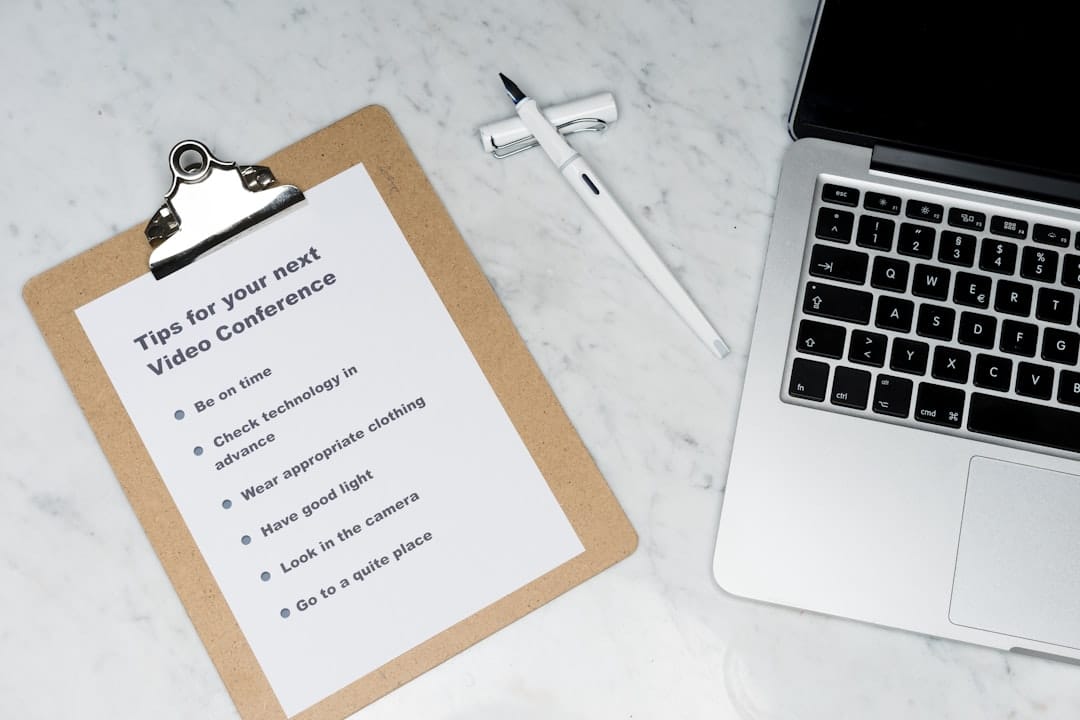
 Most project problems have an onboarding failure at the root. Here's what a proper freelance onboarding process looks like, and what each step prevents.
 Read →
 When the client is the bottleneck, your timeline shifts but the blame often doesn't. Here's how to document delays, protect your fee, and stay in control.
 Read →
 A client who says the work isn't good enough is a stressful situation, but it's a manageable one if you respond correctly in the first 48 hours.
 Read →
 Being brought into a project through a client is normal. Being cut out of it once the third party knows who you are is a real risk, and a preventable one.
 Read →
 Late once is a mistake. Late every single time is a policy. Here's how to restructure the relationship, change the terms, or end it cleanly.
 Read →
 Ending a client relationship when work is already underway is messier than waiting, but sometimes it's the only move. Here's how to do it cleanly.
 Read →
 Not every client exit is a firing. Here's how to end a relationship that's run its course, without burning goodwill you've spent years building.
 Read →
 Missing a deadline happens. What you say next, and how fast you say it, determines whether the client relationship survives it.
 Read →
 Most cold emails are deleted immediately. Here's what separates the ones that get responses, with real examples and honest response rate expectations.
 Read →
 Projects stall when clients go quiet. Here's how to unblock a feedback-silent project, keep it moving, and protect yourself when they don't respond.
 Read →
 Most scope expansion isn't deliberate. Here's how to tell if a client wants more than they paid for, and the language to handle it without drama.
 Read →
 Not all post-delivery change requests are the same. Here's how to tell feedback from scope creep, and how to handle each without damaging the relationship.
 Read →
 A client who stops responding mid-project is a different problem from one who ghosts after delivery. Here's how to unblock things, and when to stop waiting.
 Read →
 A client asking to lower your rate after work has started is not a negotiation, it's a boundary test. Here's how to respond.
 Read →
 Not all brief changes are scope creep. Here's how to tell the difference between evolving vision, indecision, and bad faith, and how to price each.
 Read →
 The work is done. They have it. You haven't heard from them. Here's the follow-up sequence, the payment options, and when to escalate.
 Read →
 Starting from zero is hard because you need clients to get clients. Here's the actual sequence for breaking that loop and building something that compounds.
 Read →
 Better clients aren't just higher-paying. Here's what the word actually means, and what has to change in your positioning to find more of them.
 Read →
 Referrals are the most effective source of freelance clients, and the least systematically asked for. Here's the timing, the language, and what actually works.
 Read →
 Setting rates, pricing psychology, late payments, and what a healthy freelance income actually looks like.
01What your contracts must include, IP ownership, kill fees, and when clients refuse to pay.
03Burnout, income instability, retainer structures, and the difference between busy and sustainable.
04Building credibility without a company behind you, referrals, testimonials, and what clients look for.
05One email per week. No fluff. Just the work.